Old House Plumbing in Hendra
Timber homes on stumps, galvanised steel pipe and old gas lines: that's old house plumbing in Hendra, and it's the work we do every week. We're the Hendra plumbers for houses of this vintage, and every job is done by a licensed plumber. You get a fixed quote before any work starts, $0 call-out fees, and same-day where we can.
If we're late, $100 comes off your bill

- Licensed and InsuredEvery job done by a licensed plumber. QBCC No: 15024607
- Fixed Quote FirstFlat-rate pricing, agreed before any work starts
- Lifetime Labour WarrantyBacked by our Fix-It-or-It's-Free guarantee (T&Cs apply)
- $0 Call-Out FeesNo extra charge for nights, weekends or public holidays

The suburb's housing runs pre-1940 through to the postwar years, mostly detached weatherboard and brick homes on generous blocks. That age range is exactly where the plumbing questions start.
What Runs Beneath and Behind an Older Floor
In a house on stumps, the water, waste and gas runs often travel through the open area beneath the floorboards, where a torch finds them from below. A slab house buries much of the same pipework below the slab or inside wall cavities, so getting at a fault means opening something.
Most of the suburb's detached houses sit on stumps rather than slabs, which makes the under-floor space worth knowing. A crawl down there with a torch can turn up trouble before it becomes a flood:
- soil that's wet or soft beneath a pipe
- drips at the joints
- rust marks on pipes and fittings
- timber that's damp or stained near a line
- a stale, musty odour down there
None of that needs a single floorboard lifted. If you spot any of it, our leak detection page explains how we trace the source properly.
Rusty Water and Weak Flow in an Old House
Galvanised pipe is zinc-coated steel, and once the zinc wears away the steel corrodes from within. The taps tell the story: rusty or brown water, flow weakening at several outlets at once, and leaks coming back on the same line again and again.
The racing years and the postwar build-out were plumbed in that steel, on a public network that remains mostly cast iron. Offcuts of that era's steel still lurk in wall cavities and beneath flooring on the old blocks. That steel rusts through at joints and fittings, and the newest bathroom is usually where low pressure shows up first.
There's a second age marker in the joints. Until 1989, lead-based solder was common on copper pipe and brass fittings across Australia, so the age and state of the water service pipes is worth a thought.
Replacing that old pipe is its own job, with its own staging and paperwork. Repiping old pipes covers it end to end.
Corrosion and Wear in Older Gas Pipework
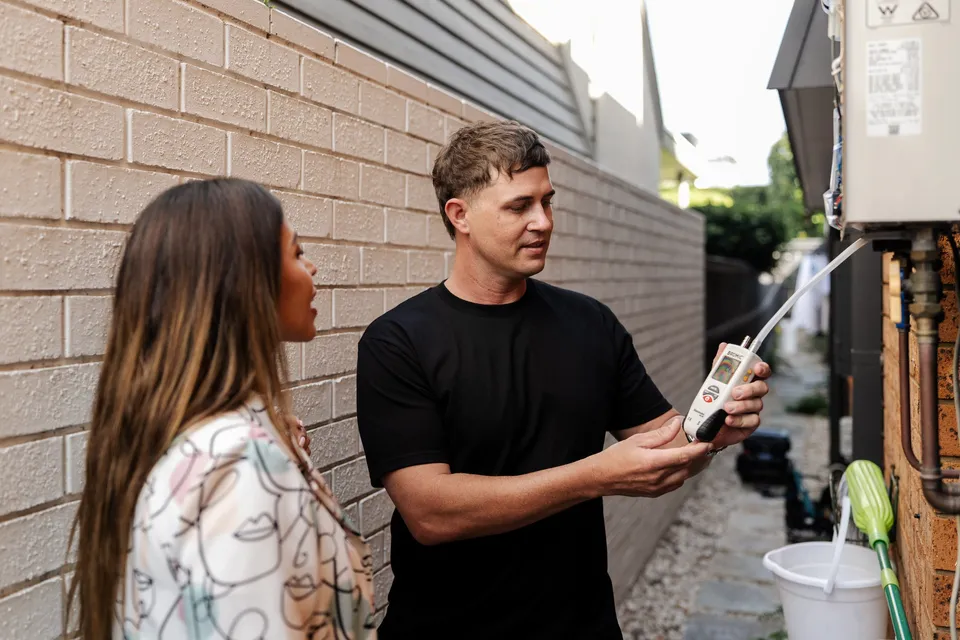
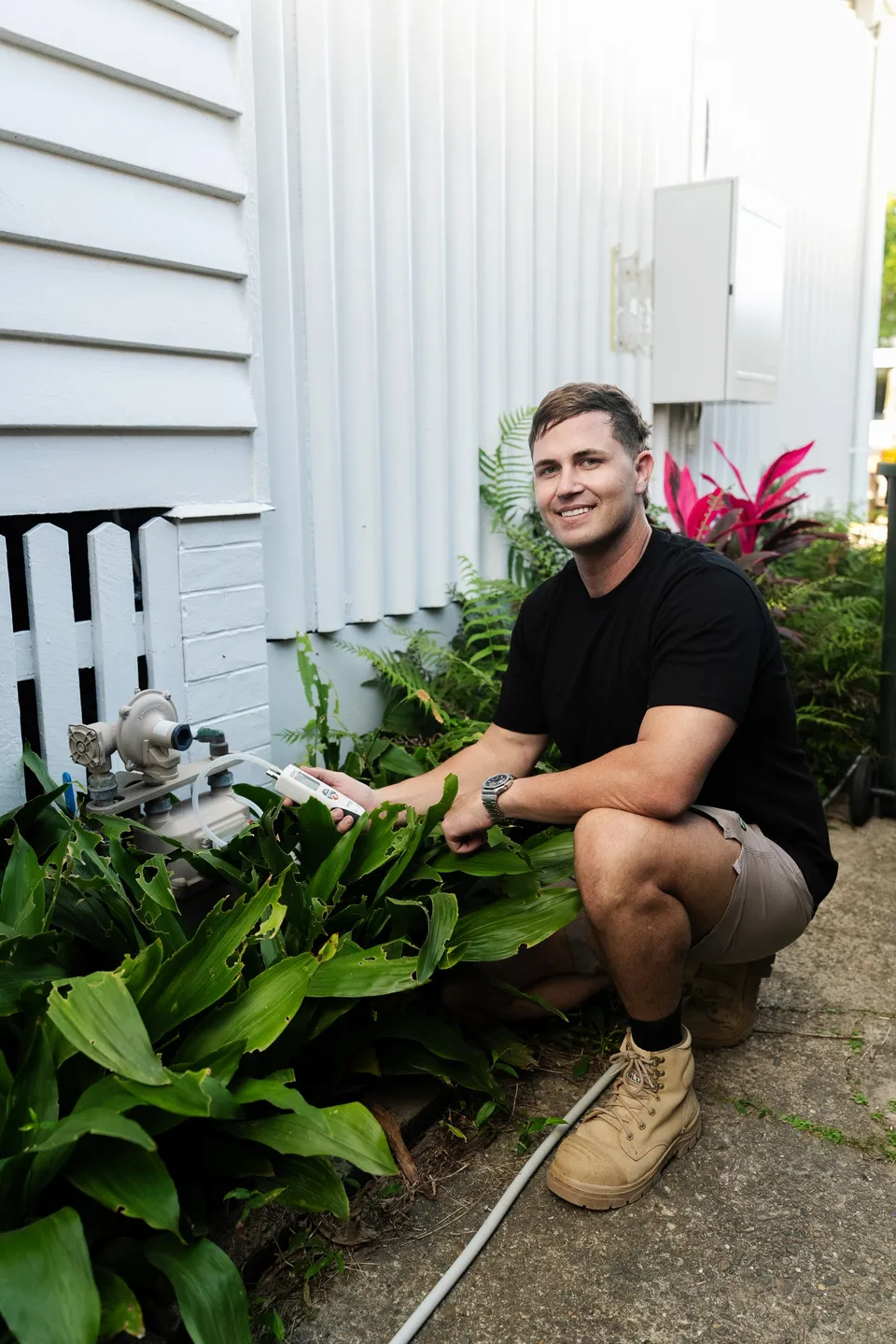
Gas work in Queensland belongs to licensed gasfitters: installing, altering, repairing, servicing or testing gas systems and pipework is their lawful ground. State advice adds two habits for owners: check old lines often for damage, corrosion or deterioration, and keep anything flammable away from the appliances.
A gasfitter who finds a safety problem on a system they're working on, and can't put it right during the visit, has to give you a written defect notice. Your copy is the record of what was found and what needs doing.
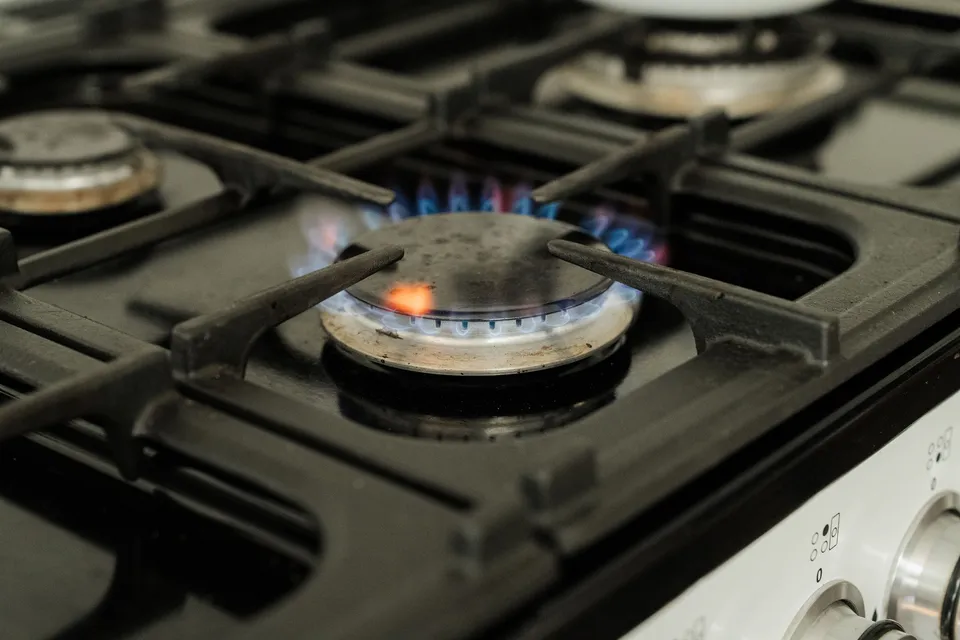
One line on the smell of gas: switch the appliance off, throw windows and doors open, and keep your hands off every electrical switch. If the smell stays, close the supply at the meter or bottle and call (07) 3523 7172; ring 000 if it persists.
Which Renovations Count as Notifiable Work
Nearly all plumbing in a renovation on an older house is notifiable work. Your licensed plumber does the job without a council permit, then lodges a Form 4 with the QBCC and hands you a copy. Kitchen and bathroom renovations, new fixtures and relocated toilets, showers and sinks all sit in that category.
A building counts as existing, in the Regulation, once drainage plus a water supply are already serving it, which takes in nearly every older house here. Some situations shift the category or add conditions:
- a house on a drain shared with other lots, or with a dual reticulated supply, needs a permit from the local government before work starts
- each new or replacement water heater takes a temperature control device, so the water reaching your taps stays at or below 50°C, and putting one in is notifiable work too
- a new fixture meant for washing yourself, like a shower, calls for the same device; swapping tap washers or shower heads does not
- most houses built before 1990 contain asbestos in some form, so a reno needs extra precautions and can cost more
- a permit stays with the premises it relates to, so one from earlier work still applies to the current owner
You can also look up your street address in the QBCC's online records and request a copy of the Form 4 for past work at the property.
One related quirk of older pipework: worn valves and loose pipe runs can set off banging in the lines. Water hammer repairs covers that diagnosis and fix.
How We Work on Older Homes
- 1

Describe the problem
Phone (07) 3523 7172 or fill in the form with what you're seeing in Hendra. The more we know, the better we can prepare.
- 2

On the visit
We crawl under the floor or open the wall cavity, work out what the pipes are made of and what state they're in, and check the gas lines and connections your reno will touch. Old houses hide their plumbing, so finding it comes before quoting it.
- 3
Agree on the price
A fixed quote comes before any work starts: flat-rate pricing, no hidden fees, and your go-ahead first.
- 4

Pay on completion
Card or EFTPOS on site when everything's working, or ask us about Fix now, pay later.
Plumbing job in Hendra?
$0 call-out fees, available 24/7, and same-day where we can.
Older Home Plumbing Questions Answered
Call (07) 3523 7172Does my Hendra home have galvanised water pipes?
Yes, many do. The suburb's older houses were piped in galvanised steel, and leftover lengths still sit behind walls and under floorboards. We confirm what the pipe is made of on the visit.
Why is the water rusty in my older home?
Rusty or brown water usually means galvanised steel corroding from within once its zinc coating is gone. We confirm the cause on the visit, and our repiping page covers swapping the old steel out.
Was lead used in old plumbing?
Yes. Before 1989, plumbers across Australia regularly joined brass fittings to copper pipe with lead-based solder, so the vintage of your water service pipes is worth knowing.
Is old gas pipework in a Hendra home safe?
No, and don't judge it yourself. Queensland law leaves that call to a licensed gasfitter, and the state advises checking lines for damage, corrosion or deterioration. If you smell gas, switch the appliance off, open windows and doors, and leave every electrical switch alone. Close the supply at the meter or bottle if it lingers; ring 000 if it persists.
Do plumbing renovations in old houses cost more?
Yes, they can. Two things drive the price: getting at old pipework beneath floors and inside walls, and what state it's in once opened up. Asbestos precautions on a pre-1990 house can add cost, and a fixed quote settles the price before work starts.

Call Us About Your Older HomeWe'll call you back.
Book on (07) 3523 7172 for plumbing anywhere in Hendra. We're available 24/7, there's no extra charge for nights, weekends or public holidays, and every job comes with $0 call-out fees.
To claim your $0 call-out fee, call (07) 3523 7172 today.